A dealership ceramic coating is usually a product nobody will name, applied without paint correction by whoever is available, and backed by a line on the sales contract instead of a registered manufacturer warranty. A professional shop names the product, corrects the paint before coating it, and registers the warranty to you at handoff. Before you sign, ask the dealer what product it is, who applies it, whether the paint gets corrected first, and what the warranty covers. Specific answers can earn a yes. Vague answers mean decline the add-on and have the work done after delivery.
The pitch comes near the end of the paperwork. You have negotiated the price of the car, you are an hour into signing, and the finance manager offers a paint protection package, often somewhere between $1,000 and $1,500, that can be rolled into the loan. It sounds reasonable. The car is new, the paint looks perfect, and you want to keep it that way.
At Ride N’ Shine we see the aftermath of that decision often enough to have formed an opinion about it. Customers bring us cars with a ceramic coating line item on the sales invoice and nothing measurable on the paint. This article is the longer version of what we tell them in the shop: what that add-on usually is, what a professional application involves, and how to tell one from the other before you sign anything.
What the finance office is selling
The coating offer almost always comes from the F&I office (finance and insurance), and that detail matters. The person selling it is a finance manager whose job is to add profit to the deal after the price of the car is settled. Protection packages carry high margins for the store because the cost of providing them can be very low.
What the product is varies from store to store. Some dealerships buy a legitimate entry-level coating. Many sell a paint sealant with the word ceramic somewhere in the marketing name, which is closer to a long-life wax than to the coatings a detail shop installs. The paperwork often does not name the product at all, and that silence tells you something by itself.
Who applies it varies just as much. Some stores send cars to a subcontracted detailer. At many, the product is wiped on by whoever handles new-car prep that day, on the lot or in the wash bay. A true ceramic coating is unforgiving of that setting. It bonds properly only to decontaminated, polished paint, and it needs controlled conditions to cure. On the cars customers bring us, the usual findings are no evidence of prep work, water behavior that matches a worn sealant within a few months, and no product documentation of any kind.
The financing makes it worse. A $1,500 add-on rolled into a 72-month loan means you pay interest for six years on a coating that may have stopped working before your second oil change.
One more pattern worth knowing: some salespeople will tell you the car already comes with paint protection. That can mean a sealant was applied at the port or during dealer prep. It does not mean the car has a ceramic coating, and it is not a reason to skip the questions below.
What a professional application involves
The difference between the two options is process, and the process is most of what you are paying for.
Paint correction comes first. New paint is rarely flawless. Transport and dealer prep washes leave light swirls and marring before the car has a mile on it. A coating locks in whatever sits underneath, so a professional shop polishes the paint before applying anything. Skip that step and the defects are sealed in for the life of the coating.
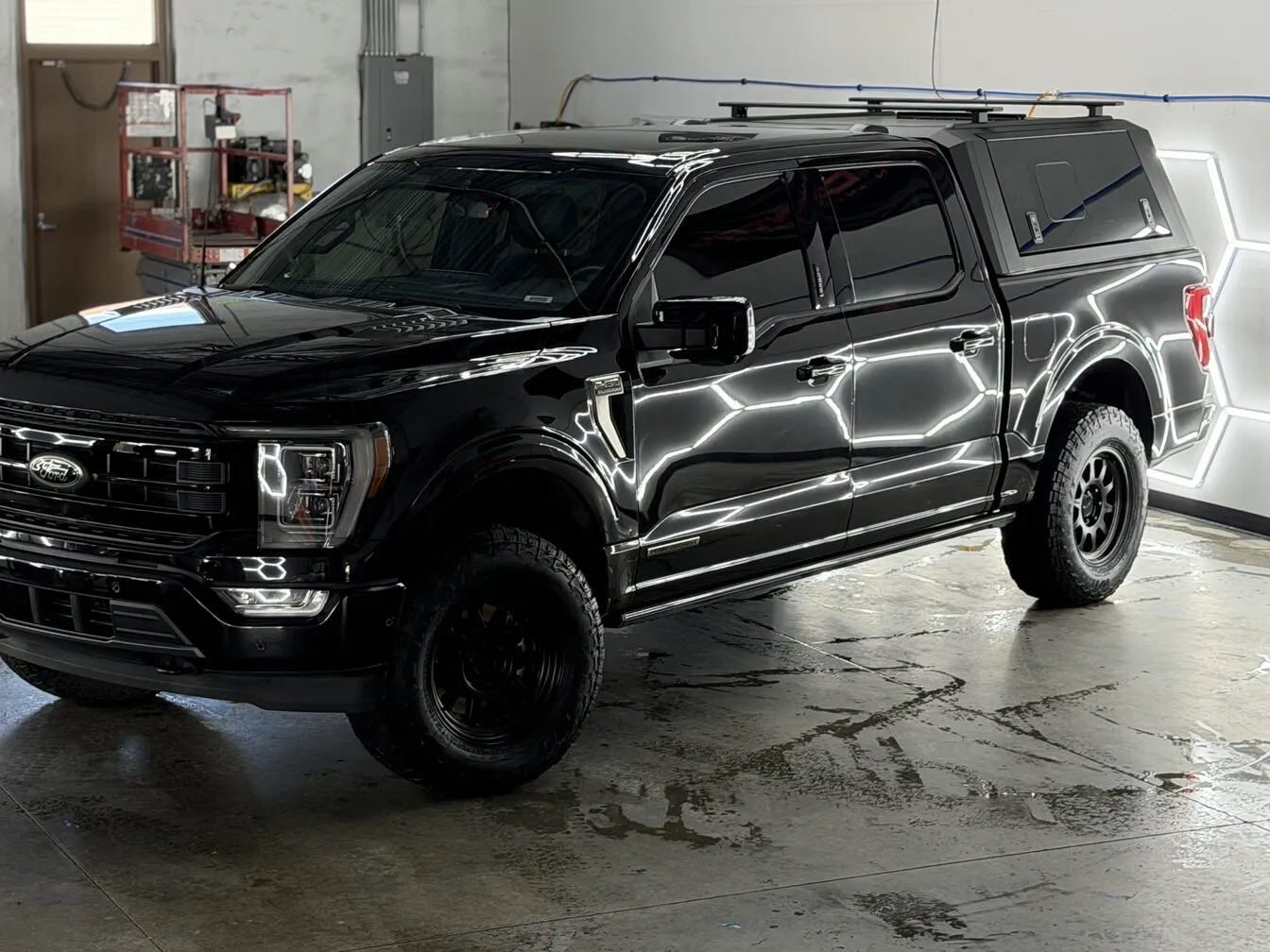
The work happens in a controlled environment. That means indoors, under lighting bright enough to inspect every panel, with the coating hand-applied and leveled one panel at a time, then given time to cure before the car sees weather.
The product has a name and the installer has training on it. At our shop that means Owner’s Pride: we are an authorized installer, and our ceramic coating packages run in 5-year, 7-year, and 9-year warranty tiers, each including full decontamination and paint correction as needed.
And the warranty is real. The manufacturer registers it in your name at handoff, so you hold documentation that exists independently of the shop. Compare that with a warranty that lives on the dealer’s sales paperwork. Detailers call that a dry warranty: a promise from the store, only as good as your ability to prove years later what was applied and how.
Four questions to ask before you say yes
You do not have to assume the worst about any particular dealership. Ask these in the finance office and write the answers down.
What product is it, and who makes it? A real coating has a name and a manufacturer you can look up on your phone before you sign. “Our protection package” is not an answer.
Who applies it, and where? A certified installer working in a detail facility is a good answer. If nobody in the building can say, assume lot staff with a wipe-on product.
Is the paint corrected before the coating goes on? If the answer is that a new car does not need correction, the person answering has not polished many new cars.
What does the warranty cover, and who backs it? Ask to see the warranty card or a registration ID. A manufacturer-registered warranty is real protection. A paragraph on the sales contract is a dry warranty. Read the coverage, too: many dealer warranties cover specific stains and fading rather than the performance of the coating itself.
If the answers are specific and they check out, you can say yes with open eyes. If they are vague, ask for the charge to be removed from the deal. Dealers remove add-ons every day, and it changes nothing about the price you negotiated for the car.
When the dealer option is fine
Some dealerships do this properly. A store that subcontracts to a certified installer, names the product, includes correction, and registers a manufacturer warranty is selling the same service a shop sells, with the convenience of having it done before delivery. If the bundled price is close to what the installer charges direct, that convenience may be worth it to you.
There is also an honest case for less. If the car is a three-year lease and you want easier washing rather than decade-long protection, an entry-level product honestly described might be all you need. Our objection was never that dealers sell coatings. It is aimed at coatings nobody can name and prep work nobody can verify, wherever those are sold.
How to say no and get it done after delivery
Nothing about paint protection has to happen on delivery day. The script is one sentence: “I’ll pass on the protection package.” You owe no explanation, and the add-on is separate from the deal you already made. If you are told a coating is already on the car and cannot be removed from the price, ask for the documentation from the questions above. A coating that was genuinely applied has answers.
Then book the work in the first few weeks of ownership. The paint will never have less wear on it than it does now, and correction costs less when there is less to remove. A shop appointment runs inspection, decontamination, correction, coating, cure, and warranty registration, in that order. We think the order matters more than the brand on the bottle, and the order is the thing a finance office cannot sell you. If you want to see how we do it, the ceramic coating page lists each tier and what it includes, and a quote takes about a minute.